
What Comes Next: Hypertrophic Cardiomyopathy
Making Sense of Your Diagnosis
Reviewed by the Columbia Hypertrophic Cardiomyopathy Center Faculty, March 2026
Being diagnosed with hypertrophic cardiomyopathy (HCM) can bring on a lot of uncertainty. You may wonder how serious it is, what it means for your lifestyle, and whether it can affect your family. HCM is one of the most common inherited heart conditions, but thankfully, treatments today are more effective than ever.
Our What Comes Next series is designed to answer common questions and help you feel informed and supported as you take the next steps in your care.
I’ve Been Diagnosed with Hypertrophic Cardiomyopathy. How Serious Is It?
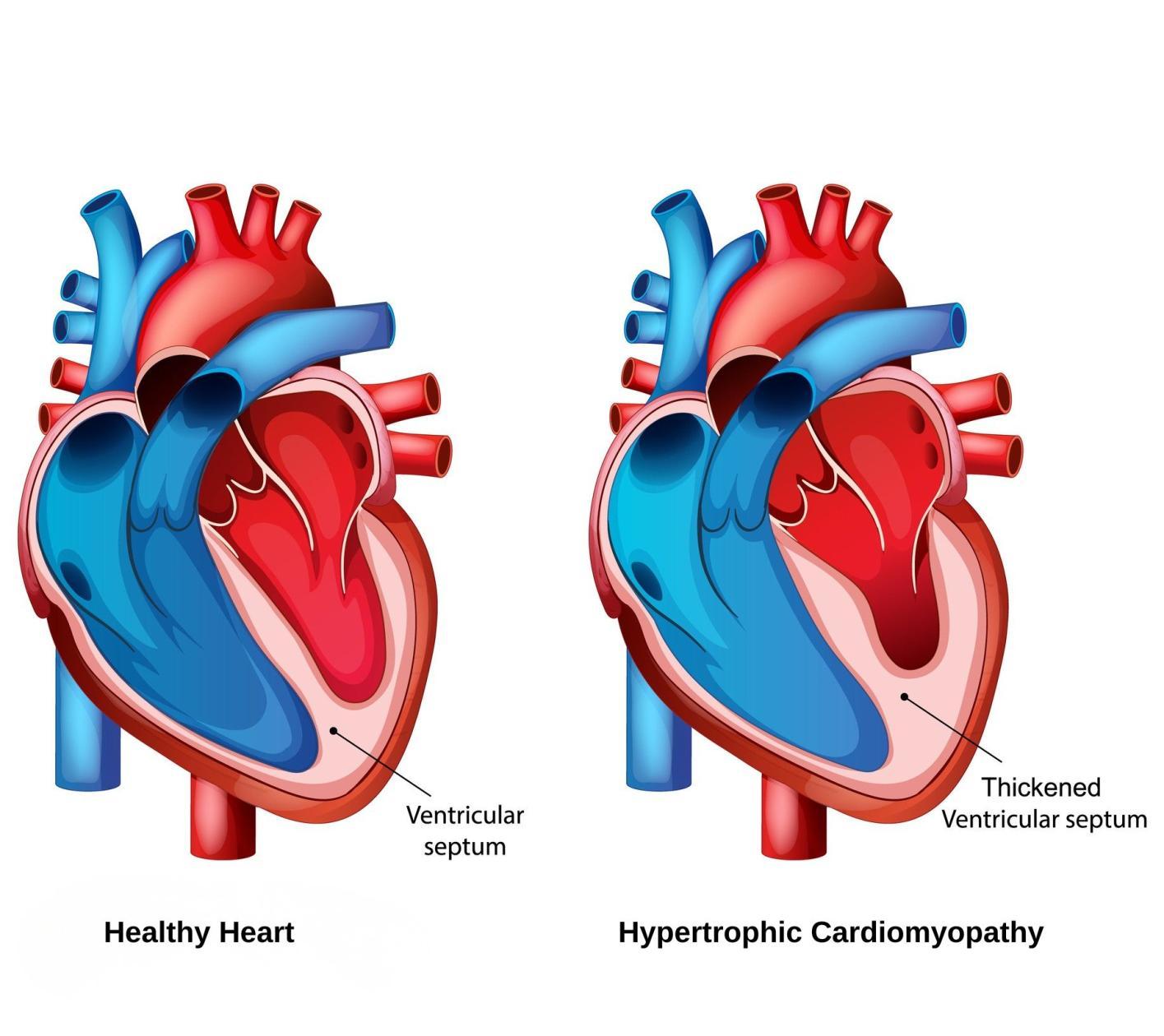
HCM is a condition where the heart muscle becomes abnormally thick (hypertrophied) — most often in the wall that separates the heart’s left and right chambers (the septum). This can make it harder for your heart to pump blood or cause changes in heart rhythm.
For many people, HCM is mild and can be controlled well with medication. In others, it can cause shortness of breath, chest pain, fainting, or abnormal heart rhythms that need closer monitoring. Your care team will determine how much your HCM affects blood flow and heart function — and tailor your treatment accordingly.
What Causes Hypertrophic Cardiomyopathy?
HCM is caused by abnormalities in heart muscle cells. Sometimes the gene responsible for this abnormality can be identified; other times it cannot. If you have been diagnosed, your doctor can help guide further screening for family members.
I Feel Fine. Should I Be Concerned?
Many people with HCM have few or no symptoms for years. Even if you feel well, it’s essential to maintain regular follow-up care and undergo periodic imaging tests.
Typical symptoms can include:
- Shortness of breath or chest pressure, especially with exertion
- Fatigue or lightheadedness
- Heart palpitations or irregular heartbeat
- Fainting spells, especially during exercise
Early detection of changes allows your cardiologist to adjust treatment and prevent complications.
Will I Need Surgery or a Procedure?
Not everyone needs a procedure. For most patients, medications are enough to relieve symptoms and reduce strain on the heart. If the muscle thickening significantly blocks blood flow (called obstructive HCM), your doctor may recommend:
- Septal myectomy: surgical removal of part of the thickened heart muscle
- Alcohol septal ablation: a catheter-based procedure to thin the muscle by injecting alcohol into a small artery
Your doctor may also discuss an implantable cardioverter-defibrillator (ICD). This implanted device can treat life-threatening heart rhythms in patients at higher risk
These treatments can greatly improve symptoms and quality of life.
What Are the Treatment Options?
Treatment options include:
- Beta-blockers or calcium channel blockers to slow the heart and improve filling
- Newer medications, such as myosin inhibitors, which reducing the force of heart muscle contraction
- Antiarrhythmic drugs to prevent irregular rhythms
- ICD implantation for people at higher risk of sudden cardiac arrest
- Lifestyle guidance on exercise, hydration, and avoiding certain medications or stimulants
Your cardiologist will determine the right combination for your condition and goals.
Can Medications Cure HCM?
Medications can’t completely cure HCM, but they can control symptoms, improve heart function, and prevent disease progression. The newest therapies are designed to target the underlying problem of excessive muscle contraction and may slow or reverse some changes over time.
How Will I Know If It’s Getting Worse?
You’ll have regular check-ups that may include:
- Echocardiograms to measure heart thickness and blood flow
- Electrocardiograms (ECG) or Holter monitors to detect rhythm problems
- Cardiac MRI for a detailed look at the heart muscle
- Exercise testing
Tell your doctor if you notice:
- Increased shortness of breath or fatigue
- Chest pain
- Fainting
- New or worsening palpitations (heart pounding, racing, or fluttering)
Prompt evaluation can help prevent complications and keep you feeling your best.
Will I Feel Better After Treatment?
Yes — many people with HCM feel significant improvement in quality of life and exercise tolerance with appropriate treatment.
Will Treatment Help Me Live Longer?
With proper care, many people with HCM can have a normal life expectancy. Consistent treatment and careful monitoring can greatly reduce the risk of serious complications. The key is regular follow-up and ongoing communication with your cardiology team.
Related