
What Comes Next: Atrial Fibrillation
Making Sense of Your Diagnosis
Reviewed by the Columbia Cardiology Faculty, May 2026
Being diagnosed with atrial fibrillation (AFib) can leave you with a lot of questions. You may be wondering how serious it is, what treatments are available, and how your daily life might change. AFib is the most common heart rhythm disorder, affecting millions of adults worldwide, and it is highly manageable with the right care.
Our What Comes Nextseries is designed to answer common questions and help you feel more informed and supported as you take the next steps.
I’ve Been Diagnosed With Atrial Fibrillation. How Serious Is It?
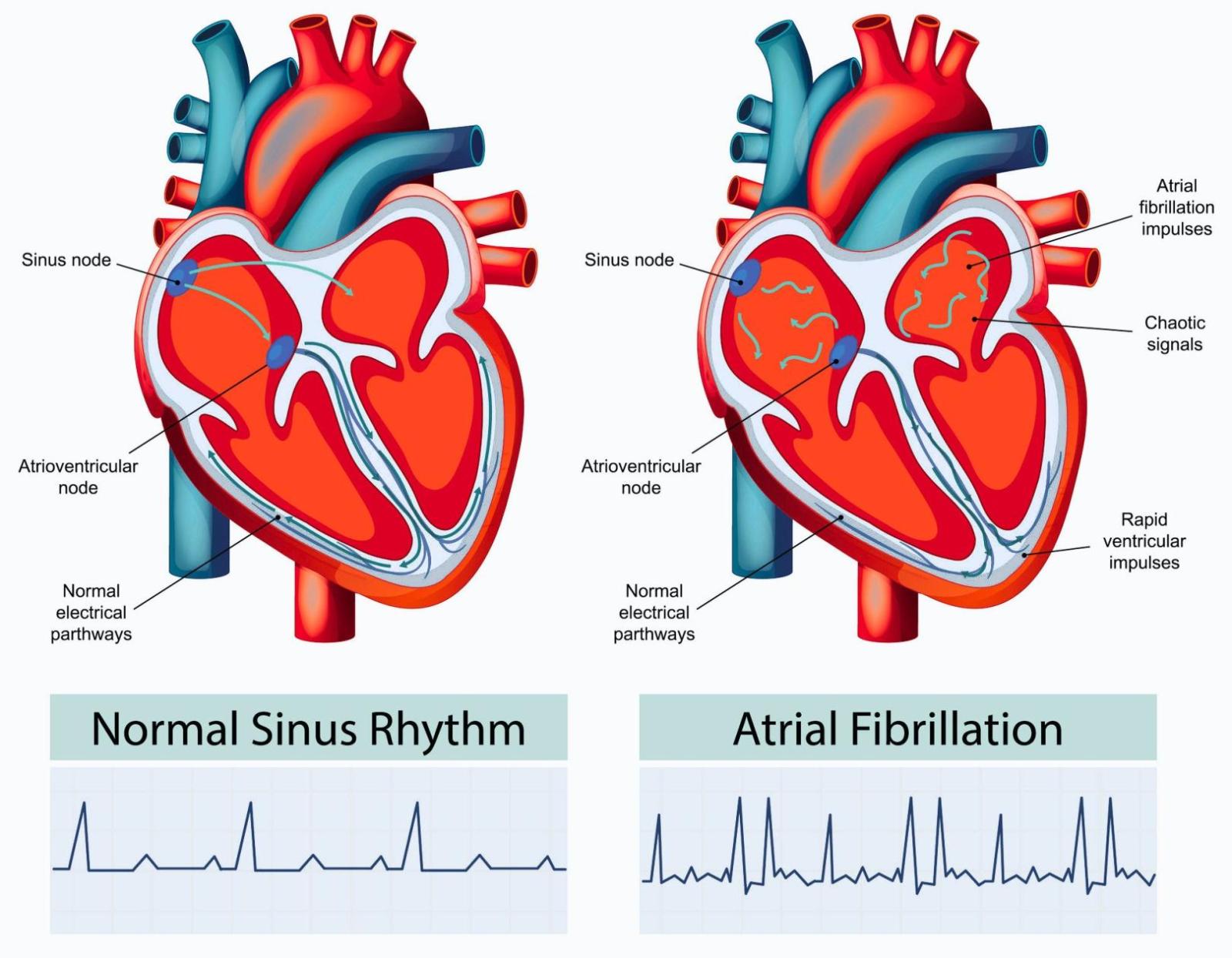
AFib is usually not immediately life-threatening, but it can significantly increase the risk of stroke and heart failure if not treated. Early diagnosis and management by a cardiology specialist are important both to regulate the heart rate (to keep it from getting too fast), as well as to assess the stroke risk to determine if preventive treatment is required.
AFib is a rhythm problem with the heart. AFib occurs when the normal electrical signals in the atria become disorganized, causing the upper chambers to quiver instead of contracting effectively. As a result, the atrial muscle “quivers”, rather than squeezing like a pump.
Some people have brief, occasional episodes, while others have persistent AFib. If the heart rate is very fast with the AFib episodes, patients can feel the rapid beating of the heart, can be light-headed or be short of breath. Other patients can have very normal heart rates with AFib and may have no noticeable symptoms.
What Causes Atrial Fibrillation?
AFib can develop for many reasons. The most common reason is simply aging of the heart (patients > 65 years of age). But it can occur in younger patients. Common causes and risk factors other than age include:
- High blood pressure
- Coronary artery disease or prior heart attack
- Heart valve disease
- Heart failure
- Diabetes
- Obesity
- Sleep apnea
- Excessive alcohol use
- Thyroid disorders
- Family history of AFib
I Feel Fine. Should I Be Concerned?
Yes. Some people have “silent AFib” and don’t feel symptoms at all, yet they still have an increased risk of stroke.
Your doctor can assess the stroke risk, by asking you about your medical history. Patients who have congestive heart failure, are over 65 years old, have diabetes, have had prior strokes, have other vascular/cholesterol issues, and who are female have higher risks of stroke related to AFib and may require treatment.
What Are My Treatment Options?
Treatment for AFib usually focuses on three main goals:
- Preventing stroke, often with blood-thinning medications
- Controlling the heart rate (keeping it low) to prevent symptoms and strain on the heart
- Restoring or maintaining normal rhythm, when appropriate
Depending on your situation, options may include:
- Medications to simply slow the heart rate, or medications to restore the normal rhythm
- Blood thinners to reduce stroke risk
- Cardioversion or catheter ablation procedures to “reset” heart rhythm
- Catheter-based procedures to close the left atrial appendage for patients who might be at high bleeding risks on blood thinners
- Lifestyle changes such as weight management, BP management, limiting alcohol intake, and treating sleep apnea
Your specialist will help tailor treatment to your specific needs.
Will I Need a Procedure?
Not necessarily. Many patients live with AFib, with no issues for many decades after diagnosis. Others with AFib are managed successfully with medications and lifestyle changes alone.
However, if symptoms persist or AFib is difficult to control, your care team may recommend additional treatments, such as:
- Electrical cardioversion to reset the heart rhythm
- Catheter ablation to target areas triggering abnormal rhythms
- Implantable monitoring devices in select cases
Your treatment plan will depend on your symptoms, heart health, and stroke risk.
Can Medications Cure Atrial Fibrillation?
Medications do not cure AFib, but they can control symptoms, reduce complications, and significantly lower stroke risk. Catheter ablation can reduce or eliminate AFib in some patients, but recurrence can still occur. Many people live full, active lives with AFib using medication alone.
Lifestyle changes—such as managing blood pressure, improving fitness, and avoiding triggers—are just as important as medication in long-term management.
How Will I Know If It’s Getting Worse?
You should contact your doctor if you notice:
- More frequent or longer episodes of irregular heartbeat
- Worsening shortness of breath or fatigue
- Dizziness or fainting
- Chest pain
- New or worsening swelling in your legs
AFib is monitored using electrocardiograms (EKGs), wearable or implanted heart monitors, and periodic follow-up visits to assess heart rhythm and stroke risk.
Will I Feel Better After Treatment?
Yes. Most patients experience improved energy, fewer symptoms, and better quality of life once AFib is well controlled. Many people regain confidence in exercising, traveling, and participating in daily activities.
Related